-
Algorithm

An algorithm is a structured set of step-by-step instructions designed to solve a problem or accomplish a specific task. It begins with an input, which is the initial data… … Read More
-
API

An API, which stands for Application Programming Interface, is a set of rules and protocols that enables different software applications to communicate and interact with one another. It acts… … Read More
-
App

An app, short for “application,” refers to a type of software program created to perform a specific task or set of tasks for a user. In its broadest sense,… … Read More
-
Aspect Ratio

Aspect ratio is a term used to describe the proportional relationship between the width and height of an image, graphic, video, or display screen. It is expressed as a… … Read More
-
Bandwidth

Website bandwidth refers to the amount of data a website can transfer to users over a specific period, usually measured in seconds, minutes, or months. It determines how much… … Read More
-
Bit

A bit, short for binary digit, is the most basic unit of data in computing and digital communication systems. It represents the smallest possible piece of information that a… … Read More
-
Blog

A blog is a type of website or a dedicated section of a website that is regularly updated with new content, typically presented as individual entries known as posts.… … Read More
-
Botnet

A botnet (short for “robot network”) is a collection of internet-connected computers or devices that have been infected with malicious software and are remotely controlled by a single attacker,… … Read More
-
Buyer Persona

A buyer persona is a detailed, research-based profile that represents a business’s ideal customer. It is essentially a semi-fictional description built from data, insights, and observations about a target… … Read More
-
Cache

A cache (pronounced “cash”) refers to computer hardware or software that is used to temporarily store data so it can be accessed more quickly in the future. Instead of… … Read More
-
CMS

A Content Management System (CMS) is software that helps users create, manage, edit, and publish digital content without needing advanced technical skills. It gives individuals, businesses, and organisations a… … Read More
-
CMYK
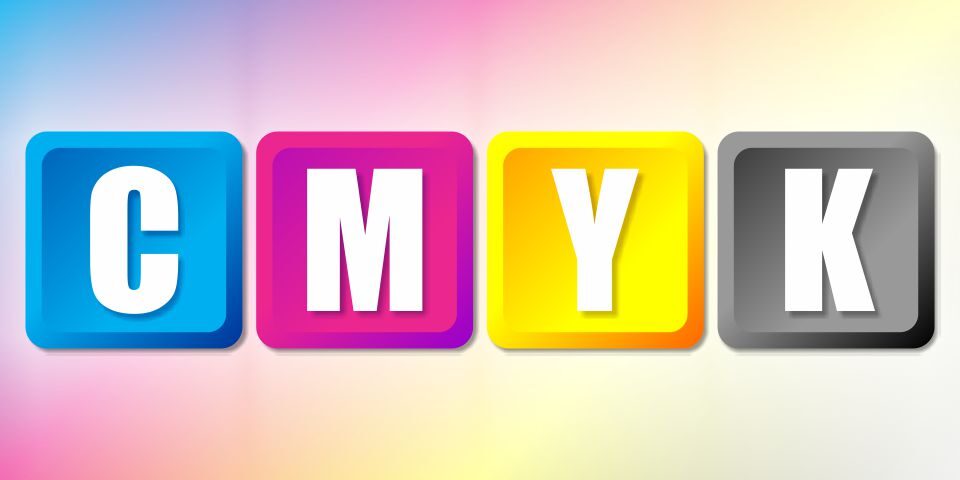
CMYK is a colour model used in printing that stands for cyan, magenta, yellow, and key (black). The “K” represents black to avoid confusion with blue and to indicate… … Read More

DICTIONARY
Definitions for terminology and jargon used in website design and development, graphic design and printing

Read More on Website and Graphic Design
Visit my blog page for useful information, news, tutorials and DIY tips. Topics include websites, graphic design, printing and much more.
Get a Quote on your Website or Graphic Design Project
Please use my contact form to tell me a bit about your requirements and I’ll get back to you ASAP.