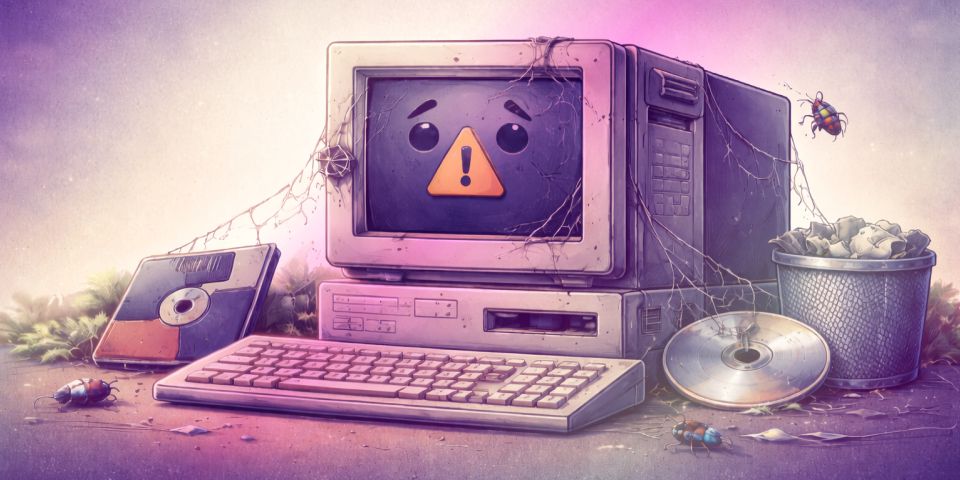
Deprecated software refers to software that developers or maintainers no longer recommend. Although it may still function, they discourage its continued use. In most cases, a newer version or alternative offers better performance, security, compatibility, or features. When developers label software as deprecated, they usually stop active development or plan to end it soon. As a result, they often limit or discontinue updates, security patches, and technical support.
Therefore, deprecated software signals potential risk. For example, it may expose systems to security threats or cause compatibility issues with modern platforms. In addition, users may struggle to fix bugs due to reduced support. While the software may still work in the short term, it typically enters a transition phase before becoming fully obsolete.
Fortunately, developers often provide guidance on how to replace this software. For instance, users can upgrade to a newer version, switch to a different platform, or update existing systems. By taking action early, organisations reduce risk and maintain stable performance.
Managing outdated software plays a key role in maintaining secure, efficient, and future-proof digital environments.