An app, short for “application,” refers to a type of software program created to perform a specific task or set of tasks for a user. In its broadest sense, any software installed on a computer — such as word processors, web browsers, or media players—can be considered an application. These programs are designed with particular purposes in mind, enabling users to accomplish goals efficiently, whether for productivity, communication, entertainment, or education.
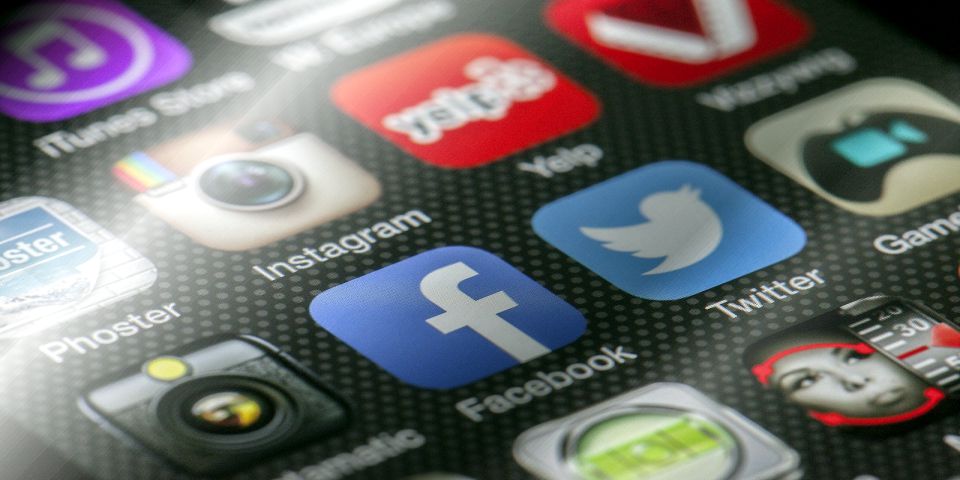
Over time, however, the meaning of the term “app” has evolved. While it originally applied to all forms of application software, it is now most commonly associated with programs designed for mobile devices such as smartphones and tablets. These modern apps are typically downloaded from digital distribution platforms known as app stores, where users can browse, purchase, or install them directly onto their devices. This shift reflects the growing importance of mobile technology in everyday life.
Apps are usually designed to be user-friendly, lightweight, and focused on specific functions. For example, there are apps for messaging, social networking, navigation, gaming, and many other activities. Unlike traditional desktop applications, mobile apps are often optimised for touch interfaces and smaller screens, making them more accessible and convenient for on-the-go use.
In addition, apps can be categorized into different types, such as native apps, which are built specifically for a particular operating system, and web apps, which run through a browser. Regardless of their form, the core purpose of an app remains the same: to provide users with a tool that simplifies tasks and enhances their digital experience.