
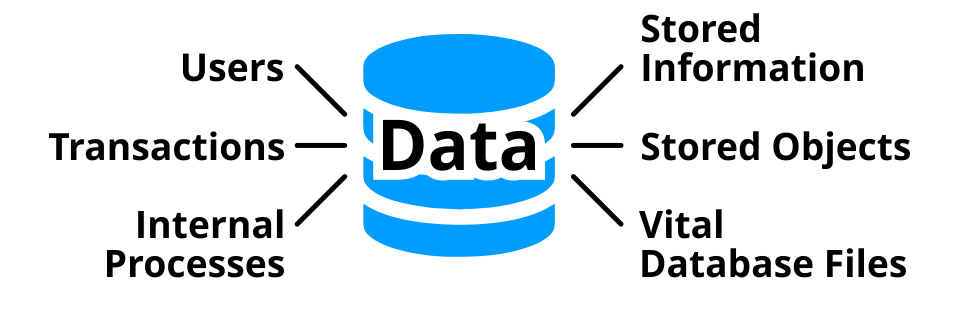
A database is an organised collection of structured information or data stored electronically on a computer system called a server. It helps users store, manage, and retrieve data efficiently. As a result, databases play a crucial role in modern computing systems. They can range from small, simple systems to large, complex platforms that handle vast amounts of information.
In most cases, databases organise data into tables with rows and columns. Therefore, users can easily search, sort, and analyse information. This structure defines a relational database, which remains one of the most widely used types. In addition, this format improves data accuracy and speeds up processing.
Databases are also dynamic. Users with the correct permissions can add, update, or delete data at any time. Consequently, organisations can keep their information accurate and up to date. At the same time, databases include security features that prevent unauthorised access and protect sensitive data..
Database Managment Systems
Databases are typically managed using specialised software known as a Database Management System (DBMS). Popular examples include MySQL, Oracle Database, and Microsoft SQL Server. A DBMS provides tools for creating, updating, and managing databases, as well as ensuring data integrity and security.
Most databases use Structured Query Language (SQL) to interact with data, allowing users to write queries, retrieve results, and perform operations efficiently. Although SQL remains the standard, newer technologies and models continue to evolve, offering alternative approaches to data management.