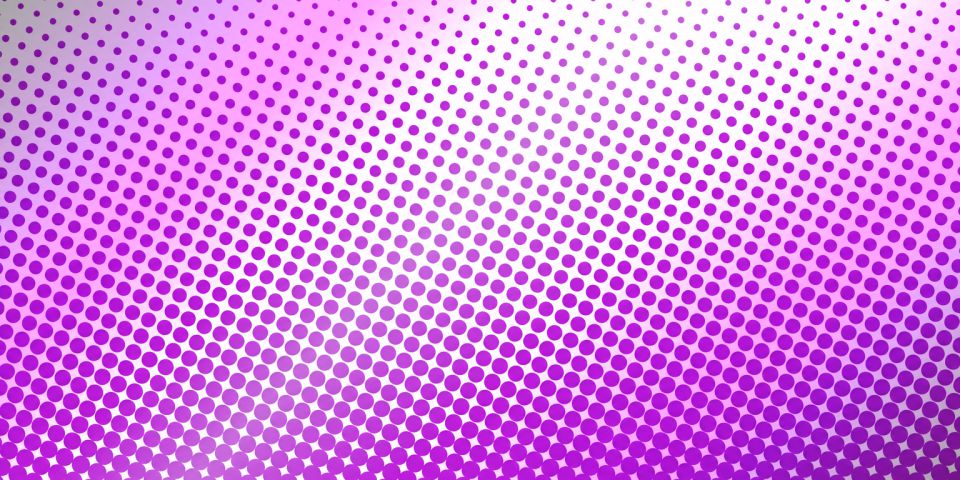
What Is a Halftone?
A halftone is a printing and image reproduction technique that creates the illusion of continuous-tone images, such as photographs, by using a pattern of tiny dots that vary in size, spacing, or density. Since traditional printing presses cannot reproduce the full range of tones found in a photograph, halftoning allows printers to simulate shades of grey and color using only solid ink.
The process works by breaking an image into a series of dots arranged in a grid. Darker areas of an image contain larger or more closely spaced dots, while lighter areas use smaller or more widely spaced dots. When viewed from a normal distance, the human eye blends these dots together, creating the appearance of smooth gradients and detailed imagery.
Halftones are widely used in newspapers, magazines, brochures, packaging, posters, and other printed material. In color printing, halftoning is applied to the four primary process colors—cyan, magenta, yellow, and black (CMYK). Each color is printed using a separate halftone screen at a specific angle, and the combination of these screens produces a full-color image.
Beyond commercial printing, halftone effects have become a popular design element in graphic design, digital art, and advertising. Designers often use halftone patterns to create a retro, comic-book-inspired, or vintage aesthetic. Modern graphic design software allows users to apply halftone effects digitally, making the technique accessible for both print and web-based projects.
Halftoning remains an essential part of the printing industry because it enables high-quality image reproduction while maintaining cost-effective production. Whether used for newspapers, marketing material, or creative artwork, halftones play a crucial role in transforming digital and photographic images into printable formats that effectively communicate visual information.