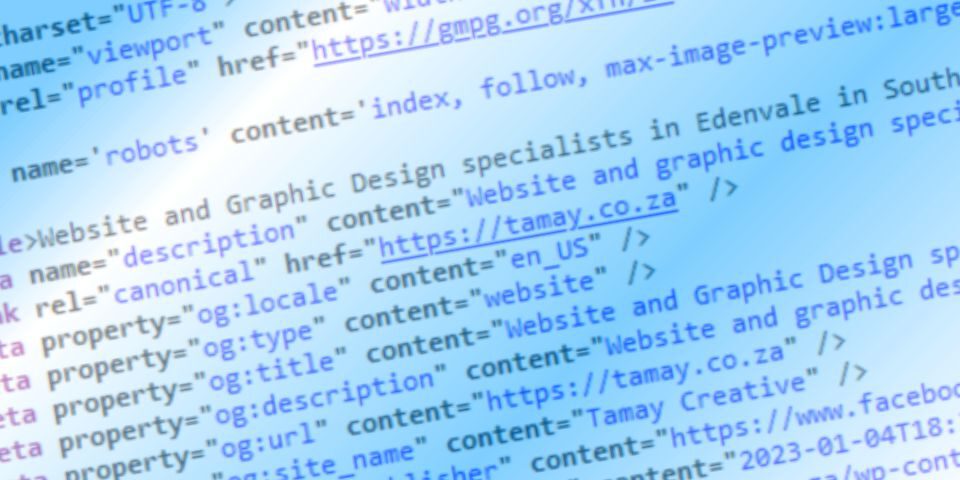
Meta tags are snippets of HTML code that provide information about a web page to search engines and web browsers. They are placed inside the <head> section of a webpage and are not usually visible to website visitors. Instead, meta tags help search engines understand the content, purpose, and structure of a page, making them an essential part of search engine optimisation (SEO).
The word “meta” refers to metadata, which means “data about data.” In web development, meta tags describe important information about a webpage, including the page title, description, keywords, author, and indexing instructions for search engines. These tags help platforms like Google better understand what your content is about and how it should appear in search engine results.
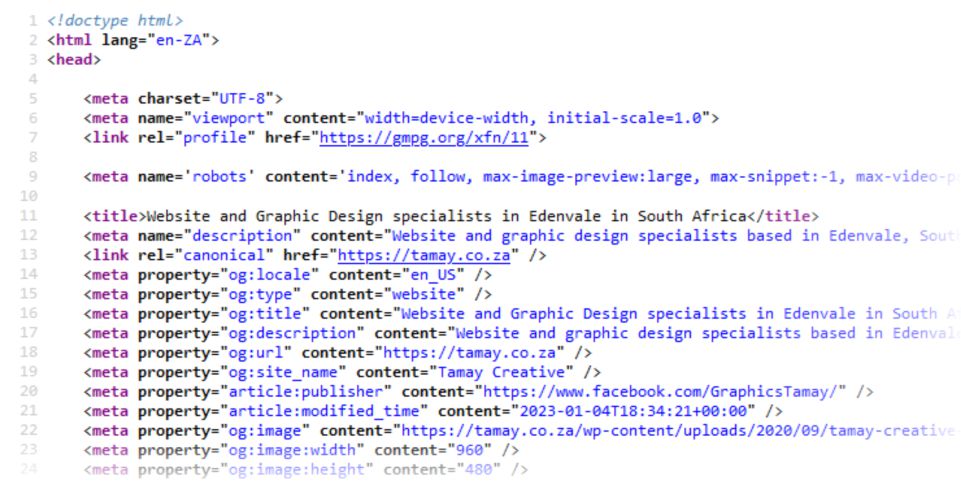
One of the most common examples is the meta description tag, which provides a short summary of the page content. Search engines often display this description below the page title in search results. A well-written meta description can improve click-through rates by encouraging users to visit your website.
Other important meta tags include the title tag, robots meta tag, viewport tag for mobile responsiveness, and social sharing tags such as Open Graph and Twitter Cards. Together, these tags improve user experience, website visibility, and social media sharing performance.
Meta tags play an important role in technical SEO because they help search engines crawl and index your website more effectively. While search engines no longer heavily use some older tags, such as meta keywords, modern meta tags remain essential for improving rankings and online visibility.
Using clear, relevant, and optimised meta tags can increase the chances of your web pages appearing in search results for the right audience. For businesses and content creators, properly implemented meta tags are a simple yet powerful way to strengthen SEO performance and improve website traffic.