
Web hosting is a service that allows you to publish your website on the internet. A web hosting provider gives you space on a server where your website files are stored. These files can include text, images, videos, databases, and website code. Without web hosting, your website would not be accessible online.
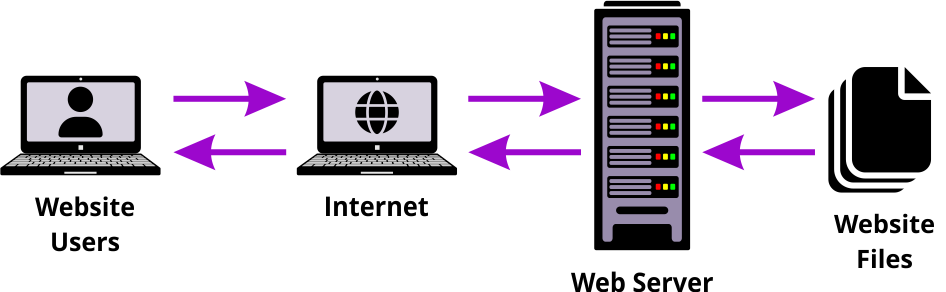
When someone types your website address into their browser, the hosting server sends your website files to their device. This process happens within seconds and allows visitors to view your pages quickly and smoothly. As a result, web hosting plays an important role in website speed, performance, and user experience.
A reliable web hosting service keeps your website online 24 hours a day. Hosting providers use secure servers, monitoring systems, and technical support to reduce downtime and protect your data. In addition, many hosting companies offer security features such as SSL certificates, malware protection, backups, and firewalls to help keep websites safe from online threats.
There are different types of web hosting available depending on the size and needs of a website. Shared hosting is a low-cost option where multiple websites share the same server resources. VPS hosting provides more control and dedicated resources, while dedicated hosting gives one website an entire server. Cloud hosting is another popular option because it offers flexibility, scalability, and improved reliability.
Choosing the right web hosting service is important for businesses, bloggers, and online stores. A fast and secure host can improve website performance, search engine rankings, and visitor trust. In contrast, poor hosting can lead to slow loading times and frequent downtime.
In simple terms, web hosting is the foundation that keeps a website live, accessible, and running efficiently on the internet.
Featured image credit Panumas Nikhomkhai from Pixabay