

Offset lithography, often called offset litho printing, is one of the most widely used commercial printing methods for paper and board products. It is known for producing high-quality prints quickly and efficiently, making it ideal for brochures, magazines, packaging, catalogues, and marketing material.
In this article, we’ll explain how offset litho printing works, the different types of presses used, and why it remains a popular choice for commercial printing.
What is Lithography?
Lithography is a planographic printing process, meaning the printing surface is completely flat. The image and non-image areas are on the same level, but they react differently to ink and water.
The process is based on a simple principle:
- Oil and water do not mix
- Ink sticks to image areas
- Water repels ink from non-image areas
During printing, the metal plate is dampened with water before ink is applied. The image areas attract the oily ink, while the wet non-image areas repel it.
How the Offset Litho Printing Process Works
The offset litho printing process uses a series of rotating cylinders inside a printing press.
Here’s how the process works step-by-step:
- An image is transferred or “burnt” onto a metal printing plate.
- The plate is mounted onto the plate cylinder of the printing press.
- Water rollers dampen the non-image areas of the plate.
- Ink rollers apply ink to the image areas.
- The inked image is transferred to a rubber blanket cylinder.
- The blanket cylinder presses the image onto the paper.
The image is not printed directly from the plate to the paper. Instead, it is first transferred to a rubber blanket and then offset onto the paper — which is where the term offset printing comes from
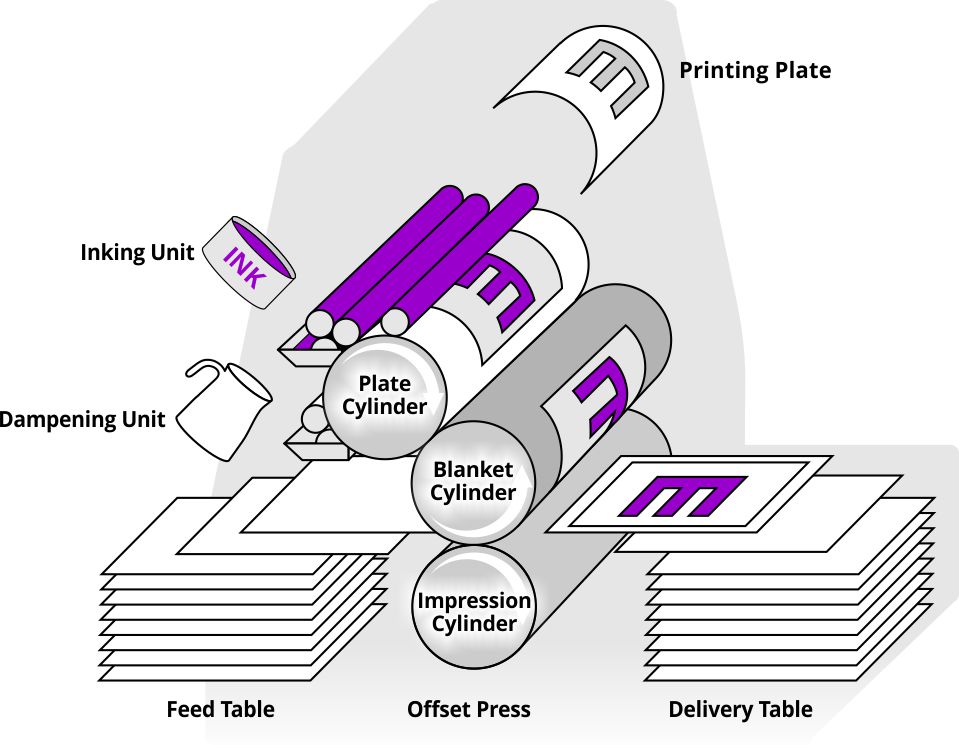
If a second colour needs to be printed, ink from the first colour is replaced by the ink for the second colour. When dry, the printed sheets on the delivery table are moved to the feed table for a second pass.
Why Press Speed Matters
Press speed plays an important role in print quality. Faster press speeds can reduce dot gain, resulting in sharper and cleaner printed images.
Professional printers carefully control press speed to maintain consistent colour reproduction and image clarity throughout the print run
Sheet-Fed Litho Printing
Sheet-fed litho printing is commonly used for:
- High-quality print jobs
- Short to medium print runs
- Brochures and flyers
- Business stationery
- Premium marketing materials
Individual sheets of paper are fed into the press using suction feeders. Paper sizes typically range from A4 to A1.
This printing method delivers excellent image quality and precise colour control.
Web Offset Printing
Web offset printing is designed for high-volume production.
Instead of using individual sheets, web presses print on continuous rolls of paper. This allows for much faster production speeds, making web offset ideal for:
- Newspapers
- Magazines
- Catalogues
- Large-volume commercial printing
Web offset prioritises speed and productivity over ultra-premium print quality.
Spot Colour Printing
Spot colour printing uses specially mixed inks rather than combining CMYK colours during printing.
The most widely used system is the Pantone Matching System (PMS), which helps maintain consistent colours across multiple print runs.
Benefits of spot colour printing include:
- More vibrant colours
- Greater colour accuracy
- Consistent brand colours
- Metallic and fluorescent ink options
Spot colours are often used in branding and packaging where colour consistency is critical.
Multi-Colour Process Printing (CMYK)
Most commercial printing uses the CMYK process:
- Cyan
- Magenta
- Yellow
- Black (Key)
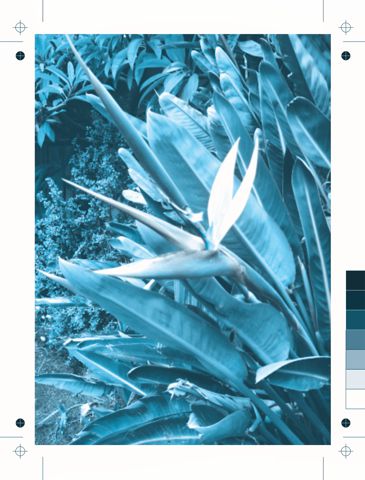
The original artwork is separated into these four colours, and a separate printing plate is created for each one.
Each colour is printed in sequence as the paper moves through the press,. When combined, the four colours reproduce the full-colour image.
Modern printing presses can include up to eight printing units, allowing printers to add:
- Spot colours
- Varnishes
- Special coatings
- Metallic inks
Accurate registration between each colour unit is essential to achieve sharp and aligned images.
Read more on spot and process colour printing.
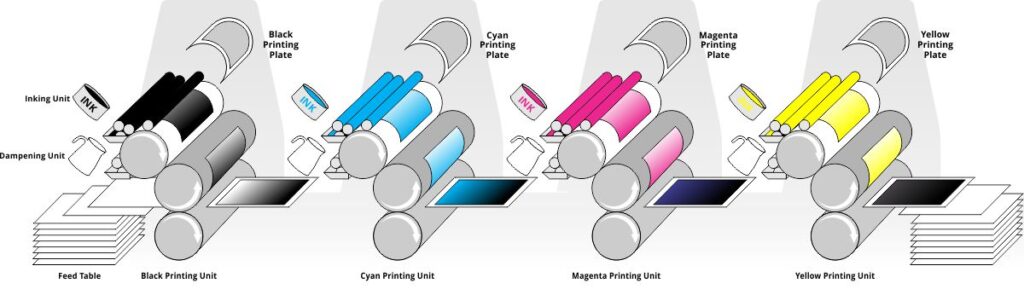
Each unit needs to be set up exactly the same as the previous one for the colours to register properly on the printed sheet.
Colour Sequence
Understanding Colour Sequence in Offset Printing
Traditionally, colours were printed in this order:
- Yellow
- Magenta
- Cyan
- Black
Today, many printers use different sequences depending on ink behaviour and image requirements.
A common modern sequence is:
- Black
- Cyan
- Magenta
- Yellow

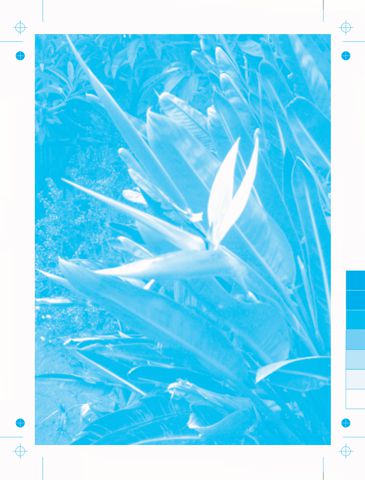
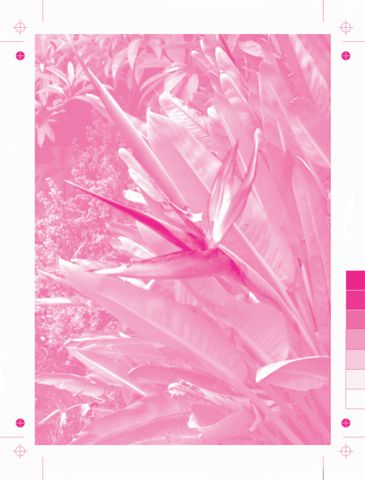
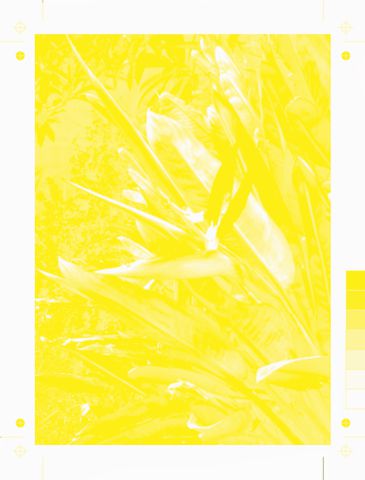
The trapping characteristics of inks also plays a major role in determining the best colour sequence.
Yellow is often printed last because it typically covers the largest image area and transfers more effectively over dry ink layers.
Common Colour Sequences
| 4-Colour Presses | KCMY |
| 2-Colour Presses | CMYK |
| Single colour and proofing | CMYK |


Advantages of Offset Litho Printing
Offset litho printing remains popular because it offers several advantages:
- High print quality
- Sharp image reproduction
- Cost-effective for medium and large runs
- Consistent colour output
- Fast production speeds
- Wide paper and board compatibility
It is still one of the best choices for professional commercial printing.
Final Thoughts
Offset lithography continues to be one of the most reliable and efficient commercial printing methods available today. Whether you need short-run marketing materials or large-scale publication printing, offset litho printing delivers excellent quality, speed, and consistency.
Understanding how the process works can help you choose the right printing solution for your next project.
If you need advice about commercial printing, print finishes, or colour reproduction, professional printers can help guide you through the best options for your requirements.
Please feel free to contact me if you need help or advice with printing. Visit my home and services pages for more about me and what I do.

Cimeron Collins
Cimeron is an artist and designer based in Edenvale, South Africa, with over 30 years of experience in the printing and publishing industries.
He’s also an avid WordPress enthusiast who strives to stay up to date with the latest trends in web design and development, constantly exploring new technologies and refining his skills.

Leave a Reply