

Choosing the right printing method can save you time, money, and frustration. If you work with printed marketing material, packaging, or branded stationery, you need to understand the difference between spot colour and process printing.
Both methods produce high-quality printed results, but each suits different types of projects. In this guide, we explain how spot colour printing and process printing work, their advantages and disadvantages, and when to use each option.
What Is Spot Colour Printing?
Spot colour printing uses individually mixed inks to reproduce specific colours. Each colour requires its own printing plate, which allows printers to achieve highly accurate and vibrant results.
Designers often choose spot colour printing for corporate branding because it delivers consistent colours across every print run. This consistency matters when your brand colours must remain identical on business cards, brochures, packaging, and signage.
Read more on Corporate Identity and Branding.
Spot colour printing also makes it possible to print metallic and fluorescent inks. Standard CMYK printing cannot accurately reproduce these special finishes.
The Pantone Matching System (PMS)
The most common system used for spot colour printing is the Pantone Matching System, also known as PMS.
Pantone assigns a unique number to each colour. Printers use these numbers to mix inks according to exact formulas. This process ensures the same colour appears consistently every time a job goes to print.
For example, if you specify a Pantone colour for your logo, the printer can reproduce that exact shade regardless of when or where the material is printed.

Advantages of Spot Colour Printing
Spot colour printing offers several important benefits:
- Colours appear brighter and more vibrant
- Brand colour accuracy remains consistent
- Metallic and fluorescent colours are possible
- Large solid colour areas print more evenly
- Printing costs may decrease when using only one or two colours
Disadvantages of Spot Colour Printing
Despite its benefits, spot colour printing also has limitations:
- Costs increase when many colours are required
- It is not ideal for full-colour photographs
- Digital proofing can be difficult
- Each colour requires its own printing plate
What Is Process Printing?
Process printing, also called four-colour process printing, creates colours by combining four base inks:
- Cyan (C)
- Magenta (M)
- Yellow (Y)
- Black (K)
These four inks print in tiny dots at different angles and percentages. When viewed together, the dots create a full spectrum of colours and images.
This method is commonly known as CMYK printing.

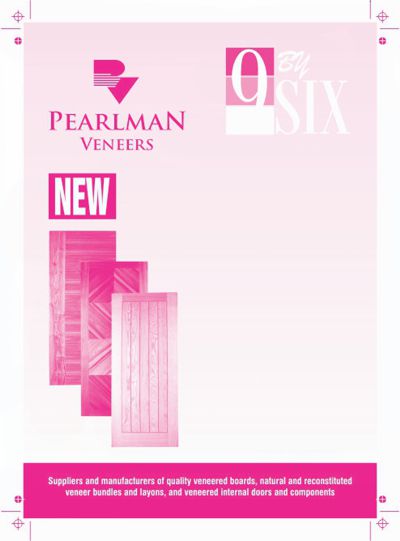


The four process colours combined to create the full colour flyer.
How CMYK Printing Works
In CMYK printing, artwork separates into four colour plates. Each plate represents one of the process colours. During printing, the press combines these plates to produce the final image.
Process printing works especially well for:
- Full-colour brochures
- Flyers
- Magazines
- Catalogues
- Photographic images
Because only four plates are needed, printers can reproduce thousands of colours without creating separate plates for each shade.
Advantages of CMYK Process Printing
CMYK printing remains the most popular printing method for commercial projects because it offers several advantages:
- Ideal for full-colour photographs and graphics
- Cost-effective for designs with many colours
- Suitable for large-volume commercial printing
- Only four printing plates are required

Disadvantages of CMYK Printing
CMYK printing also has some drawbacks:
- Colours often appear less vibrant than spot colours
- Colours may vary between print runs
- Some colours fall outside the CMYK colour range
- Metallic and fluorescent inks cannot be reproduced accurately
Spot Colour vs Process Printing: Which Should You Choose?
The best printing method depends on your project requirements, budget, and colour expectations.
Choose spot colour printing if:
- Brand colour accuracy is essential
- You need metallic or fluorescent inks
- Your design uses only a few colours
- Colour consistency matters across multiple print runs
Choose process printing if:
- Your design includes photographs
- You need full-colour graphics
- Your artwork contains many colours
- You want a more cost-effective solution for complex designs
Final Thoughts on Spot Colour vs Process Printing
Understanding the difference between spot colour and process printing helps you make better decisions when preparing artwork for print.
Spot colour printing delivers superior colour accuracy and vibrancy, especially for branded material. Process printing offers flexibility and affordability for full-colour designs and photographic images.
Before sending artwork to print, always check your printer’s specifications and confirm which printing method best suits your project. Proper preparation improves print quality and helps avoid unnecessary costs.
Read more on Preparing Artwork for Print.
Need Help?
Please feel free to contact me if you need help or advice. Visit our home and services pages for more about us and what we do.

Cimeron Collins
Cimeron is an artist and designer based in Edenvale, South Africa, with over 30 years of experience in the printing and publishing industries.
He’s also an avid WordPress enthusiast who strives to stay up to date with the latest trends in web design and development, constantly exploring new technologies and refining his skills.

Leave a Reply